What Is a Market Maker in Trading?
In this article

A market maker is a broker or financial institution that provides constant liquidity by quoting both buy and sell prices for an asset. In retail CFD trading, they act as the direct counterparty to your orders, ensuring immediate execution while earning revenue primarily through the bid-ask spread.
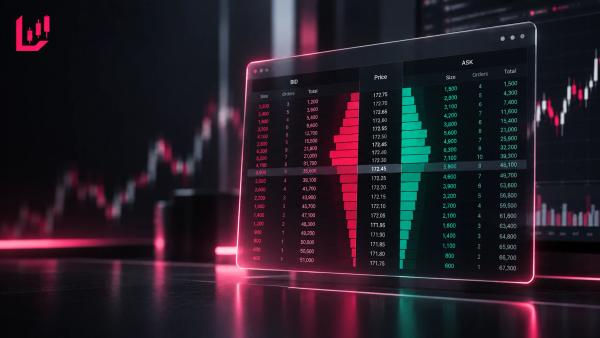
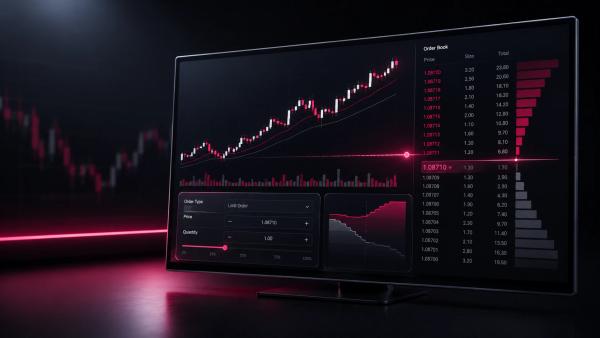
A market maker is a financial institution or broker that provides liquidity by continuously quoting prices at which it is willing to buy and sell an asset. By offering both a bid price and an ask price, a market maker helps traders open and close positions without needing to wait for another market participant.
For retail CFD traders, market makers can play an important role in order execution and pricing. They may set the prices available on their trading platform, including the spread between the bid and ask price. This spread forms part of the overall cost of trading.
Some CFD providers operate a B-book model, which means they may take the opposite side of a client’s position rather than passing the trade directly to an external liquidity provider. This does not necessarily affect every order in the same way, as brokers may use different execution and risk-management models.
Understanding how a market maker operates can help traders assess trading costs, execution quality and the potential impact of volatile market conditions.
Quick Takeaways
- Market makers provide liquidity by continuously quoting a bid price and an ask price.
- The spread is one of the main ways market makers may earn revenue.
- Some retail CFD providers use a B-book model and may take the opposite side of a client’s position.
- Spreads and execution conditions can change during periods of high volatility.
- Traders should review a broker’s execution policy before opening an account.
What Does a Market Maker Do?
A market maker provides liquidity by continuously offering to buy and sell an asset at quoted prices. This allows traders to open and close positions quickly without having to wait for another participant to take the opposite side of the trade.
When you place a market order, the market maker acts as the counterparty to your transaction. To support this process, it continuously quotes two prices:
- Bid price - the price at which the market maker is willing to buy from you.
- Ask price - the price at which the market maker is willing to sell to you.
By maintaining both prices throughout the trading day, market makers help keep markets liquid and support efficient order execution under normal market conditions. During periods of increased volatility or lower liquidity, however, spreads may widen and execution prices may differ from the quoted price.
How Do Market Makers Make Money?
Market makers primarily earn revenue from the bid-ask spread. They buy an asset at the bid price and sell it at the higher ask price, with the difference between the two prices forming the spread.
Some market makers advertise commission-free trading, but this does not mean trading is free. Instead of charging a separate commission, the cost is often built into the spread. Every time you open and close a position, you pay this cost, making the spread an important part of your overall trading expenses.
For example, if a market maker quotes a bid price of 1.0500 and an ask price of 1.0502, the spread is 2 pips. Although this may seem small, the cost can add up over time, particularly for traders who place frequent trades or use short-term strategies such as scalping.
Understanding what is spread in trading is essential because it helps you measure the true cost of trading and compare brokers more accurately. A narrower spread can reduce trading costs, while wider spreads may have a greater impact on your overall performance, especially during periods of high market volatility.
Do Market Makers Trade Against You?
In retail CFD trading, many market makers operate a B-book model, where the broker acts as the counterparty to some or all client trades. Other brokers use an A-book model, which passes orders to external liquidity providers, while some use a combination of both.
When a broker acts as your counterparty, this creates a potential conflict of interest because the broker may benefit when a client's position loses value. However, reputable brokers manage this risk through internal risk management, external hedging and regulatory requirements, rather than simply taking the opposite side of every trade.
Being a market maker does not automatically mean a broker offers poor execution or unfair pricing. Many regulated market makers provide competitive spreads and reliable execution under normal market conditions.
During periods of high market volatility, however, traders may experience wider spreads, slippage or delayed execution. These conditions can occur with both market makers and brokers that route orders to external liquidity providers, as available market liquidity may be limited.
Understanding a broker's execution model and order execution policy can help you assess how your trades are handled and what to expect during fast-moving markets.
Market Maker vs. ECN: What’s the Difference?
A market maker provides prices directly and may act as the counterparty to your trade. By contrast, an ECN (Electronic Communication Network) broker routes orders to a network of liquidity providers, where prices are determined by market supply and demand.
The right execution model depends on your trading style and how your broker handles different order types in trading. The table below highlights the main differences between the two models.
Feature | Market Maker | ECN Broker |
|---|---|---|
Execution | The broker may act as the counterparty to your trade. | Orders are routed to external liquidity providers through an ECN. |
Pricing | Prices are quoted by the broker. | Prices are sourced from multiple liquidity providers. |
Spread | Often fixed or slightly wider variable spreads. | Variable spreads, which can be very tight during liquid market conditions. |
Fee Structure | Trading costs are typically included in the spread. | Usually offers raw spreads with a fixed commission per lot traded. |
Conflict of Interest | A potential conflict of interest may exist when the broker acts as the counterparty. | Generally lower, as the broker typically earns revenue from commissions rather than taking the opposite side of client trades. |
If you trade frequently or use short-term strategies such as scalping, it may be worth learning what is ecn and how ECN pricing differs from market maker execution. While ECN accounts often charge a separate commission, they may offer tighter spreads during normal market conditions.
The Hidden Risk: Spread Widening During News Events
Spreads may widen significantly during major economic announcements, increasing trading costs and making it more difficult to enter or exit positions at your expected price.
Periods of heightened volatility, such as US Non-Farm Payrolls, inflation releases or central bank interest rate decisions, often coincide with lower market liquidity and greater price uncertainty. During these events, market makers and liquidity providers may widen the spread between the bid and ask price to reflect the increased risk of pricing and execution.
For example, a spread that is normally around 1 pip may widen several times beyond its usual level for a short period, although the extent varies depending on the market, the broker and current liquidity conditions.
Wider spreads can affect pending orders and stop-loss levels. In fast-moving markets, traders may also experience slippage, meaning an order is executed at a different price from the one requested. Understanding how spreads behave during volatile conditions can help traders manage risk more effectively and avoid unexpected trading costs.
Conclusion
Market makers play an important role in retail CFD trading by providing liquidity and supporting fast order execution under normal market conditions. However, this convenience comes with trading costs, as the spread forms part of the overall cost of every trade. Many retail market makers also operate a B-book model, where the broker may act as the counterparty to some or all client trades.
Understanding how market makers price trades, manage execution and handle market volatility can help you assess trading costs and execution quality more effectively. If you're ready to compare how different brokers structure their pricing and execution, our CFD broker reviews provide a detailed comparison of trading costs, spreads and execution models across leading providers.
FAQ
Do Market Makers Manipulate Prices?
Regulated market makers are expected to provide pricing that is fair and consistent with market conditions. They may widen spreads during periods of low liquidity or high volatility to reflect increased market risk, but this is not the same as manipulating prices. Wider spreads can affect order execution and may trigger stop-loss orders if the market moves rapidly.
Why Are Market Makers Important for Retail Traders?
Market makers help provide liquidity by continuously quoting buy and sell prices. This allows retail traders to open and close positions more easily without waiting for another individual trader to take the opposite side of the transaction. However, execution is not guaranteed under all market conditions, particularly during periods of extreme volatility or market gaps.
How Do Market Makers Hedge Their Risk?
Many retail market makers use a B-book model, where they act as the counterparty to some client trades. If their overall exposure becomes too heavily weighted in one direction, they may hedge part of that risk by placing offsetting trades with external liquidity providers or other counterparties. The exact approach varies between brokers.
Can a Retail Trader Act as a Market Maker?
No. Acting as a market maker requires significant capital, sophisticated trading infrastructure and regulatory approval. Retail traders are generally price takers, meaning they trade using prices quoted by brokers or other market participants rather than providing continuous buy and sell quotes themselves.
What Happens to My Trades if a Market Maker Goes Bankrupt?
If a regulated broker becomes insolvent, client money is typically held in segregated accounts in accordance with regulatory requirements. Depending on the jurisdiction and the regulator overseeing the broker, investors may also be eligible for compensation under an investor protection scheme, subject to the applicable terms and compensation limits. However, the level of protection varies between countries, so traders should always check the rules that apply to their broker.